Plumbing leaks and pipe releases
A failed connection or pipe can wet flooring, cabinets, and wall edges. Once the water source is controlled, service can assess the affected area and remove accessible water.
Residential service · Indoor water cleanup
An indoor plumbing leak or a fixture or appliance overflow can leave water in floors, cabinets, and nearby materials. Cleanup can include extraction, moisture assessment, drying, and attention to the affected area after the source is controlled.
Call (607) 728-1975Connect with an independent provider to discuss service in your area.
Service overview
Supported work concerns water released inside the home by plumbing, fixtures, and appliances. The source needs to be controlled so extraction and drying can address the materials it affected.
A failed connection or pipe can wet flooring, cabinets, and wall edges. Once the water source is controlled, service can assess the affected area and remove accessible water.
An overflowing sink, toilet, tub, dishwasher, or washing machine can spread water beyond the immediate fixture. The cleanup plan depends on where it traveled and what materials became damp.
Meters and visual checks can help identify damp materials beyond the visible surface. A provider can explain what was assessed and how drying progress will be followed.
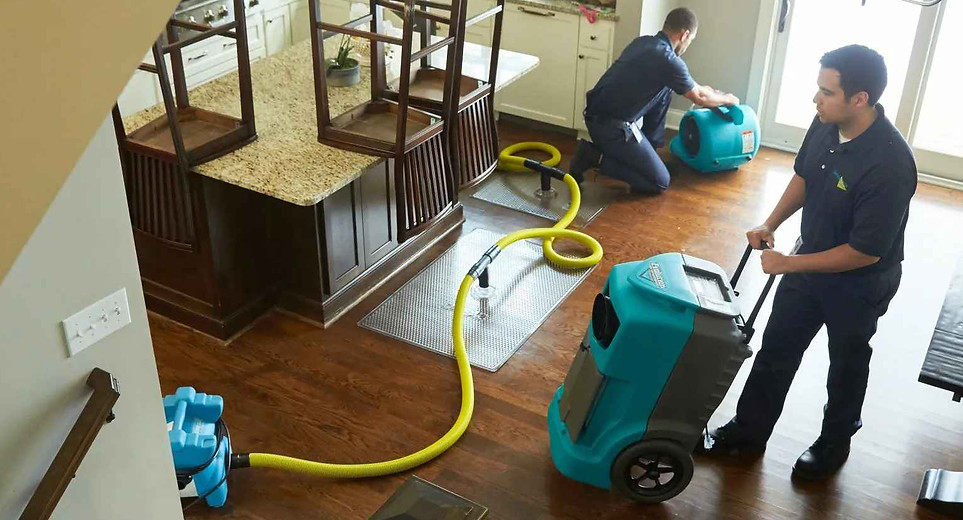
Water removal, air movement, dehumidification, and cleanup may be used together. Equipment placement and duration depend on the affected materials and readings.
A closer look
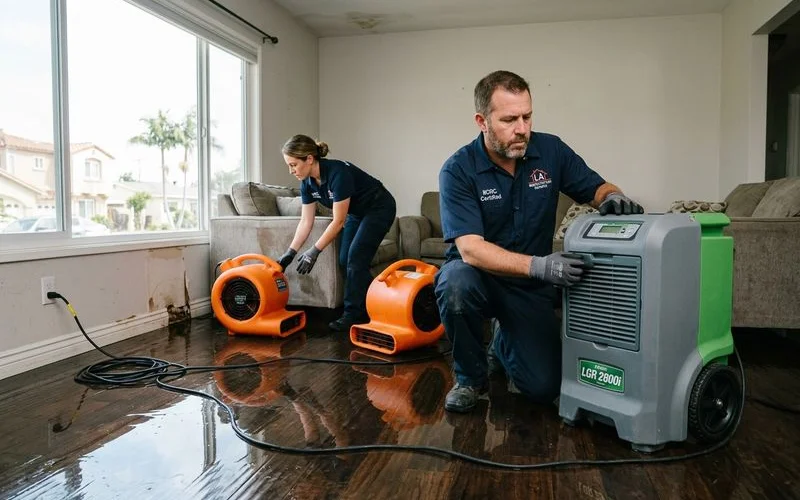
Hard flooring, carpet, cabinetry, and wall materials respond differently to moisture. Ask which areas were measured, what equipment is being used, and how the provider will determine when the drying work is complete.
Practical details
Share whether the water came from a pipe, fixture, or appliance and whether it has been shut off or stopped.
Describe which rooms and surfaces became wet, including nearby cabinets or flooring that look dry on the surface.
Move small belongings out of the work area if safe, and avoid using electrical items that have contacted water.
Good to know
Service scope and availability vary by provider and location.
Service focuses on supported plumbing leaks and fixture or appliance overflows inside the home. A provider can confirm whether the source and location fit its service.
Moisture can travel beneath a surface or into adjoining materials. Assessment helps identify where drying may be needed.
Timing varies with the materials, amount of moisture, room conditions, and equipment plan. The provider can explain the checks used to follow progress.
Yes. The source should be controlled before cleanup proceeds. If water is near electrical equipment, keep clear and contact the appropriate professional.
Next step
Connect with a participating independent provider to talk through the work and service area.