Kitchen and bathroom drains
Slow sinks, tubs, and showers can collect residue over time. Service may identify the affected drain section and select a clearing method suited to the pipe and fixture.
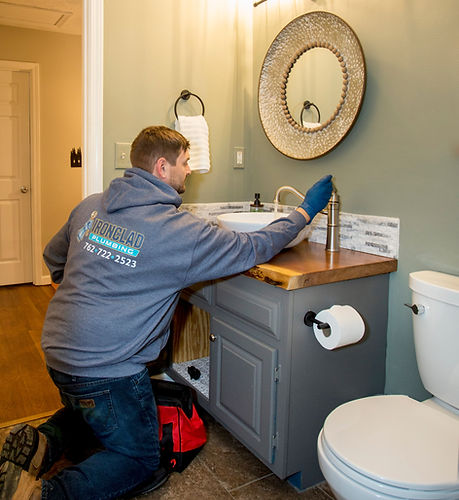
Residential service · Plumbing
Drains, faucets, toilets, household pipes, and water heaters each serve a different part of the home. Explore common plumbing work for kitchens, bathrooms, laundry areas, and utility rooms.
Service overview
A useful assessment follows the water path from its supply point through the fixture and into the drain. The right next step depends on where the change occurs and how the connected components are working.
Slow sinks, tubs, and showers can collect residue over time. Service may identify the affected drain section and select a clearing method suited to the pipe and fixture.
Drips, loose handles, running toilets, and worn connections can make everyday use frustrating. Fixture service can include component changes, new installations, and checking nearby shutoff valves.
Visible moisture around a supply connection or a change in water pressure can point to a fitting or line that needs attention. The location, pipe material, and fixture connections shape the service scope.
Hot-water concerns may involve the heater, its controls, or the connections serving it. Service can cover equipment assessment, replacement options, and installation planning for the home.
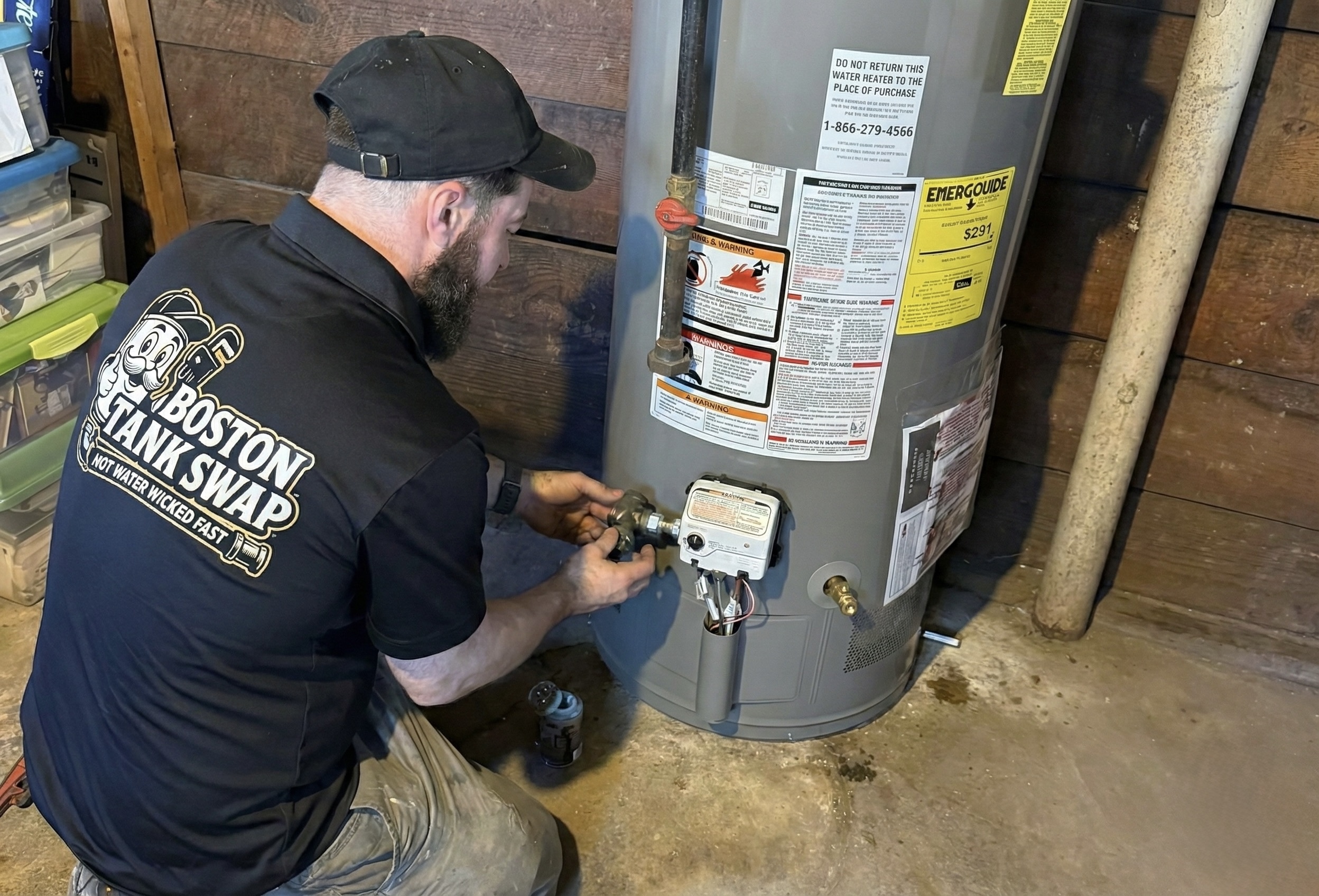
A closer look
Capacity, fuel source, available space, and the home’s hot-water pattern all matter when a water heater is evaluated or replaced. Tank and tankless equipment use different layouts and connection requirements.
Fixtures by room
Supply connections, traps, branch drains, and equipment space differ throughout the home.
A sink strainer catches food scraps; grease can collect farther along the drain. Dishwasher connections use separate fittings.
Faucets, toilets, shower valves, and tub drains rely on distinct fixture parts.
Washer supply hoses and the standpipe drain carry separate flows and need compatible hookups.
Water-heater capacity, fuel, venting, and clearance shape available replacement equipment.
Simple daily care
A few habits help household fixtures and hot-water equipment remain easier to use and assess.
Use a sink strainer and dispose of cooking grease separately from the drain.
Leave space beneath sinks so supply valves and drain fittings can be seen.
Use the water heater’s manufacturer instructions for operation and user-accessible care.
Good to know
Several fixtures can connect to a shared branch or main drain. The fixture layout helps distinguish a local restriction from a broader drain path.
Sink-hole spacing, faucet reach, shutoff valves, supply fittings, and available clearance all influence which fixture fits.
Age, operating condition, household demand, fuel, and the availability of suitable equipment factor into replacement choices.
A worn tank seal or another internal component can let water escape into the bowl and trigger the fill valve again.
Service options