Kitchen and pantry activity
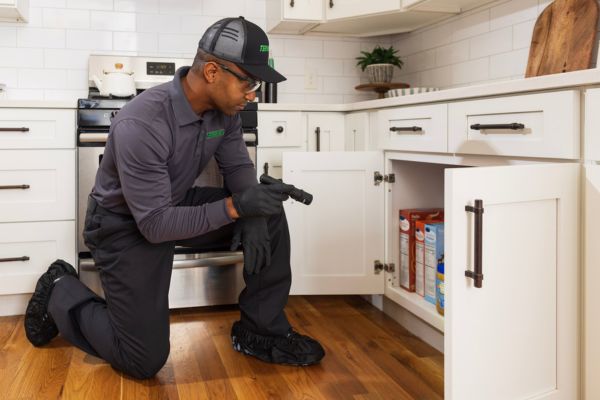
Ants and cockroaches can be drawn to accessible food and moisture. Cleaning spills, sealing pantry goods, and addressing openings support a more focused service plan.
Residential service · Household pest control
Treatment options for ants, spiders, cockroaches, house crickets, mice, earwigs, silverfish, clothes moths, centipedes, millipedes, and termites depend on the pest and its food, moisture, and shelter conditions.
Service overview
Household pest activity can follow food storage, damp areas, wall edges, and closets. Identification and room conditions help distinguish treatment and prevention needs.
Ants and cockroaches can be drawn to accessible food and moisture. Cleaning spills, sealing pantry goods, and addressing openings support a more focused service plan.
Spiders, house crickets, earwigs, silverfish, centipedes, and millipedes may appear along baseboards, in storage areas, or near damp conditions.
Clothes moths can be associated with stored natural-fiber items. Clean, dry storage helps protect fabrics and makes activity easier to notice.
Mud tubes or discarded wings can be termite clues; mice may follow accessible food or entry gaps near wall edges.
A closer look
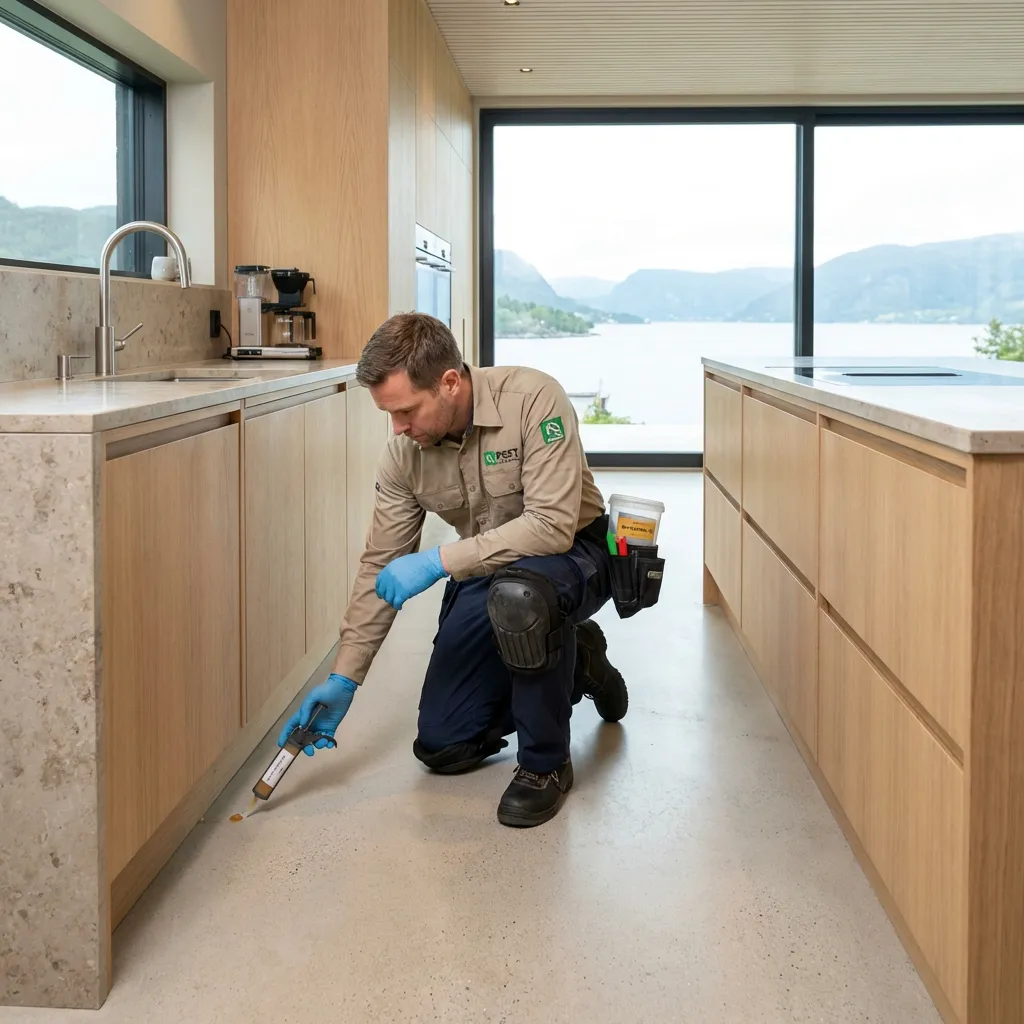
Different household pests use different routes and attractants. Sealed food, dry storage, and fewer entry gaps can make routine indoor conditions less inviting.
Activity by room
Conditions around stored goods, damp corners, and wood or wall edges influence where these household pests appear.
Ants, cockroaches, house crickets, and mice can use accessible food or water.
Earwigs, silverfish, centipedes, and millipedes may be associated with damp, sheltered spaces.
Clothes moths and silverfish can be found near stored natural fibers or paper.
Termites may leave mud tubes or discarded wings; spiders and house crickets use sheltered corners.
Everyday prevention
Room-level habits can reduce common household attractants and keep storage easier to inspect.
Wipe cabinet and appliance edges; keep dry goods in sealed containers.
Dry sink bases and laundry surfaces, and address a persistent indoor drip.
Store clean, fully dry natural-fiber clothing in closed containers between seasons.
Close gaps at door edges and around household pipe penetrations.
Good to know
Ants, spiders, cockroaches, house crickets, mice, earwigs, silverfish, clothes moths, centipedes, millipedes, and termites.
Food residue, moisture, stored materials, and a small entry gap can remain available after the visible activity changes.
Closed containers and clean preparation areas reduce accessible food that can attract ants, cockroaches, house crickets, and mice.
No. Identification, the pest’s habits, and the room conditions shape the treatment approach.
Service options